AI-Powered Pricing Platform
Designing AI pricing tools to transform enterprise shipping workflows
Challenge
Amazon Shipping's pricing teams were working across disconnected tools, spending 3–6 hours creating each proposal with approval cycles stretching from days to weeks. I led product design to map the complete pricing workflow across a complex organization and design Proposal Manager 2.0, a unified AI-powered platform built to transform how teams create, negotiate, and approve pricing proposals.
Impact
The design vision targets a 78% reduction in negotiation cycle time, 15,000+ hours saved annually, and a 60% auto-approval rate for qualifying proposals, projected based on process analysis and business assessment conducted with the product team (additional revenue metrics available in interviews).
78% REDUCTION IN CYCLE TIME
15,000+ HOURS SAVED ANNUALLY
60% AUTO-APPROVAL RATE
94% REDUCTION IN PREP TIME
Client
Amazon Shipping
Timing
6 months, 2025
Role
Lead Product Designer
Contribution
Cross-organizational discovery, stakeholder workshops, AI interaction design, end-to-end flow design, AI visual language
NDA
Work shown under NDA with limited visuals. Full case study available in interviews.
Proposal Manager 2.0
Intelligent Pricing Workflows
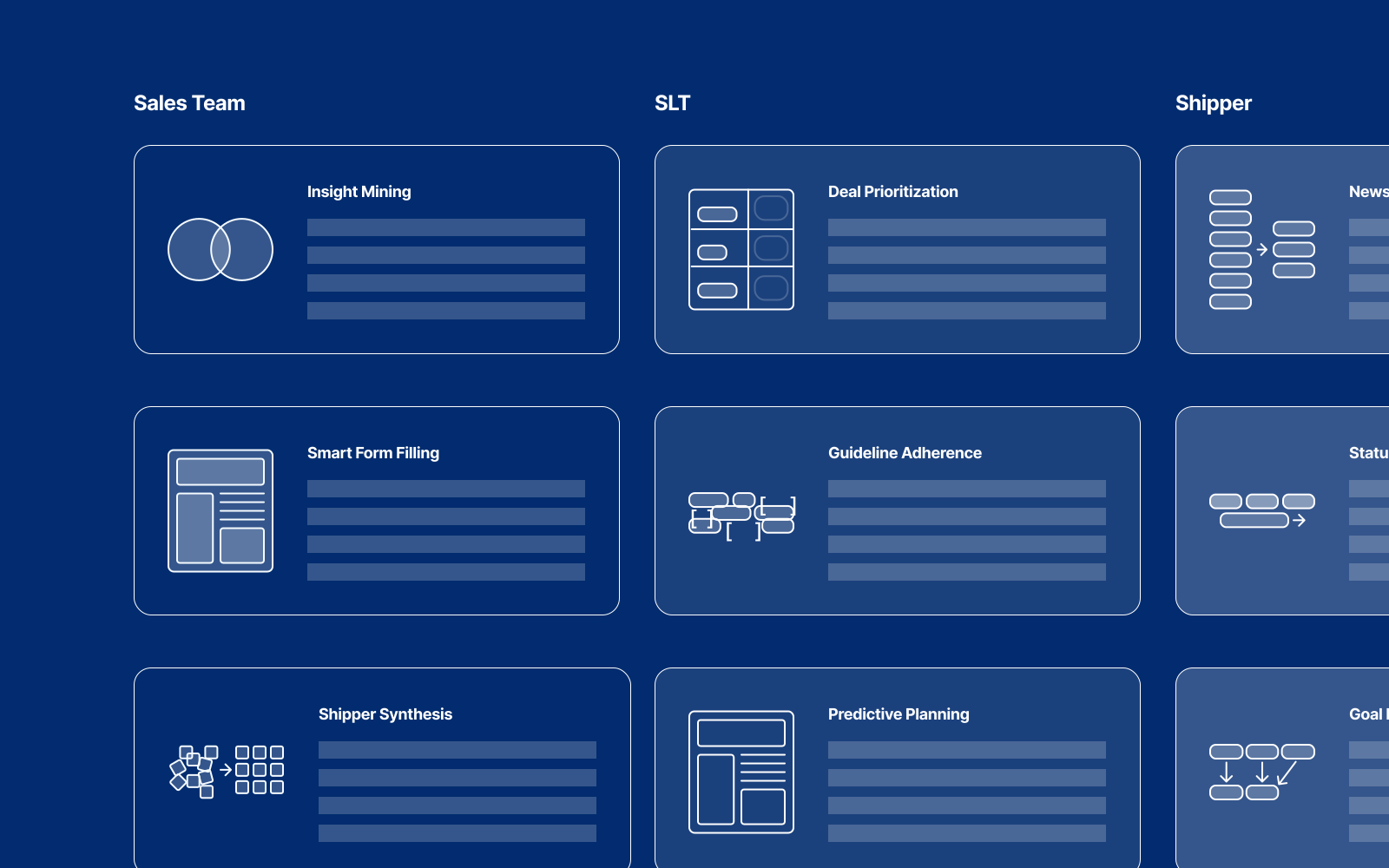
We focused on delivering value to business development teams through intelligent recommendations, automated data prefilling, and real-time deal assessment - targeting a 94% reduction in proposal preparation time.
Proposal Manager 2.0: A unified platform for intelligent pricing
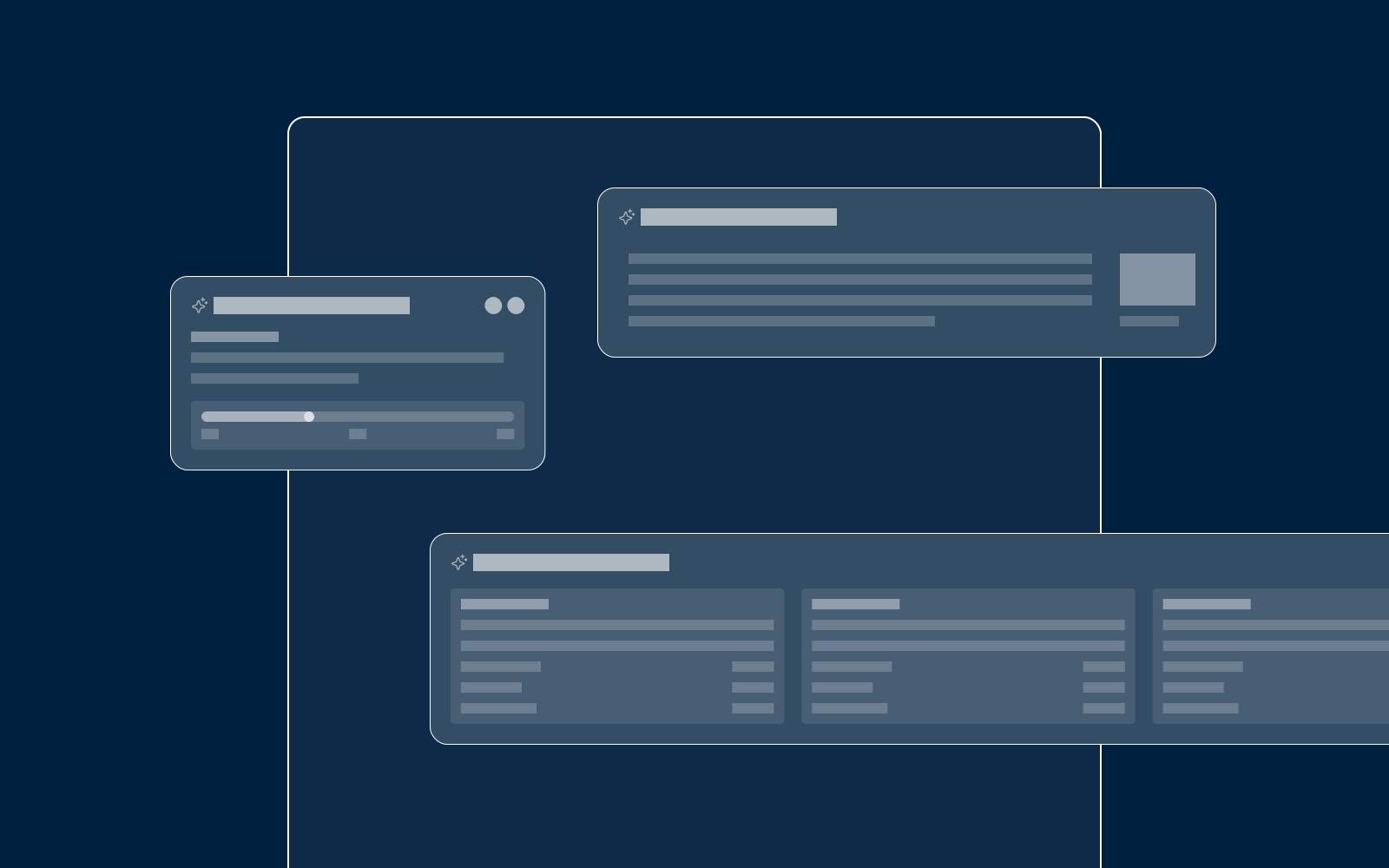
At the center of this vision is Proposal Manager 2.0 - a unified platform that transforms how teams create, communicate, and approve pricing proposals. The tool jumpstarts proposal creation with AI-powered recommendations and guides users through crafting compelling narratives for different audiences - from business development (cross-disciplinary collaboration) to senior leadership (approvals) to customers (translating pricing into negotiations narratives). It intelligently routes approvals based on deal complexity and risk. By addressing the reality that pricing managers aren't always skilled writers, senior leadership lacks context and business developers aren't always pricing analysts, the platform bridges these gaps with contextual guidance and AI assistance.
Understanding the complete workflow
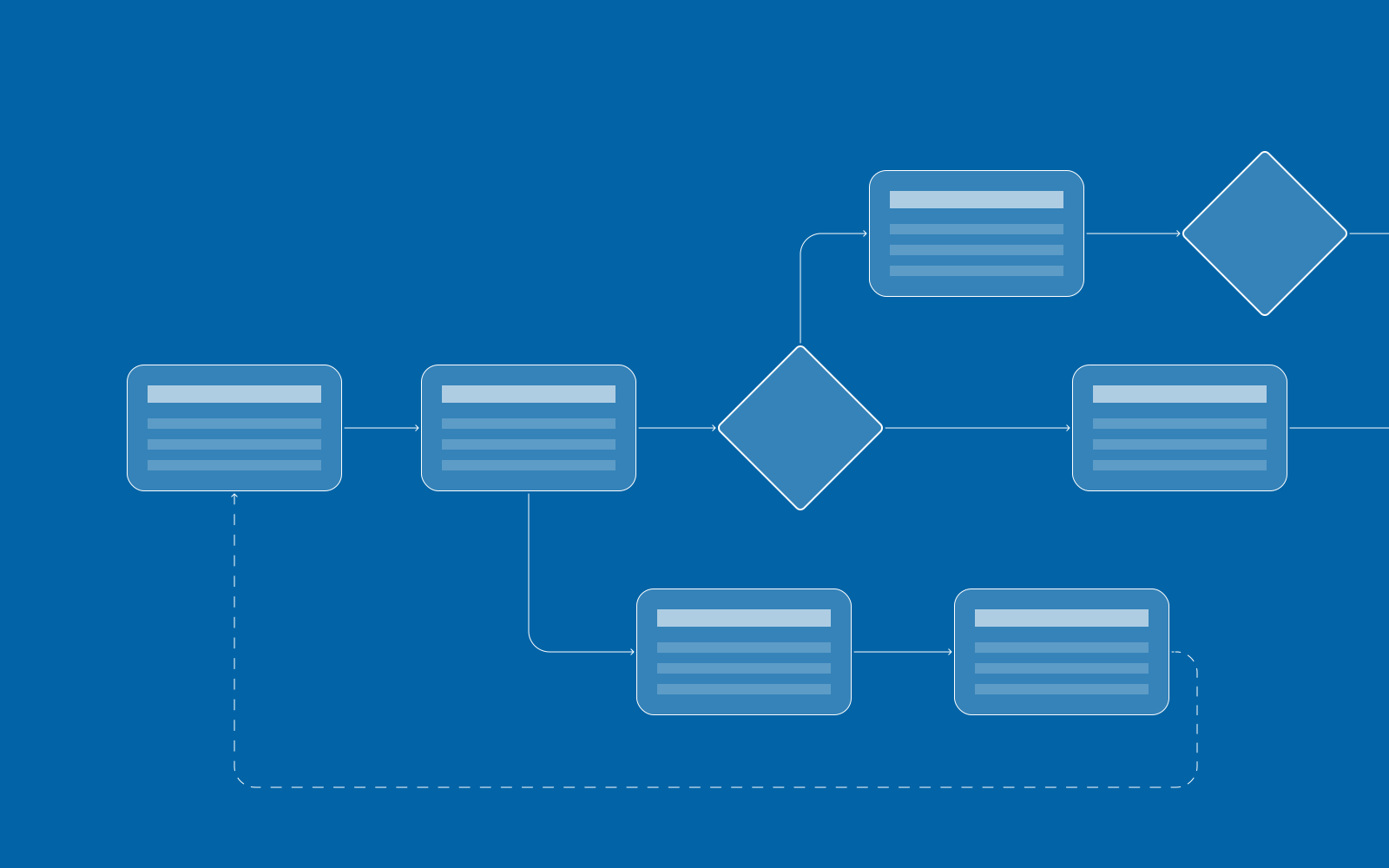
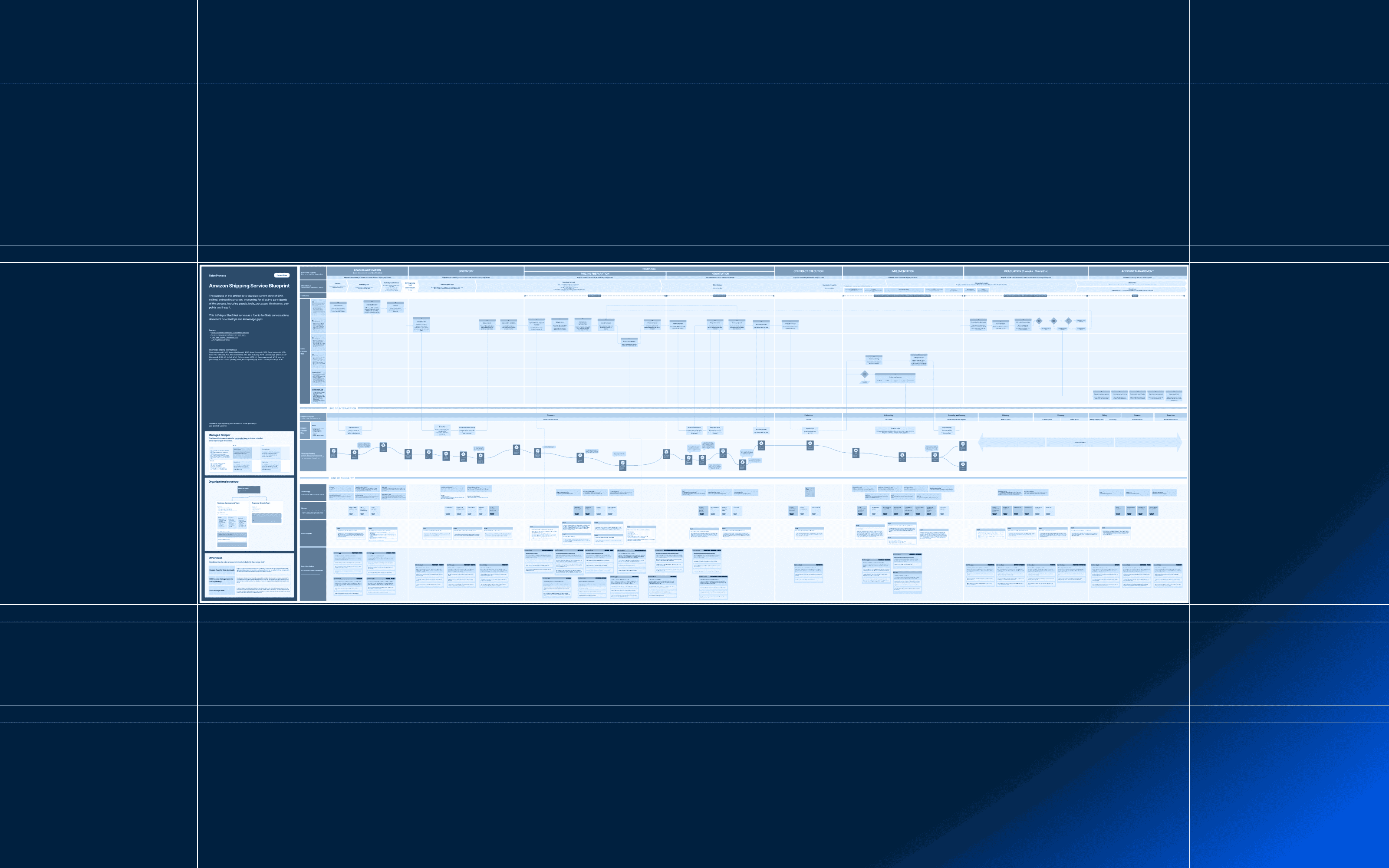
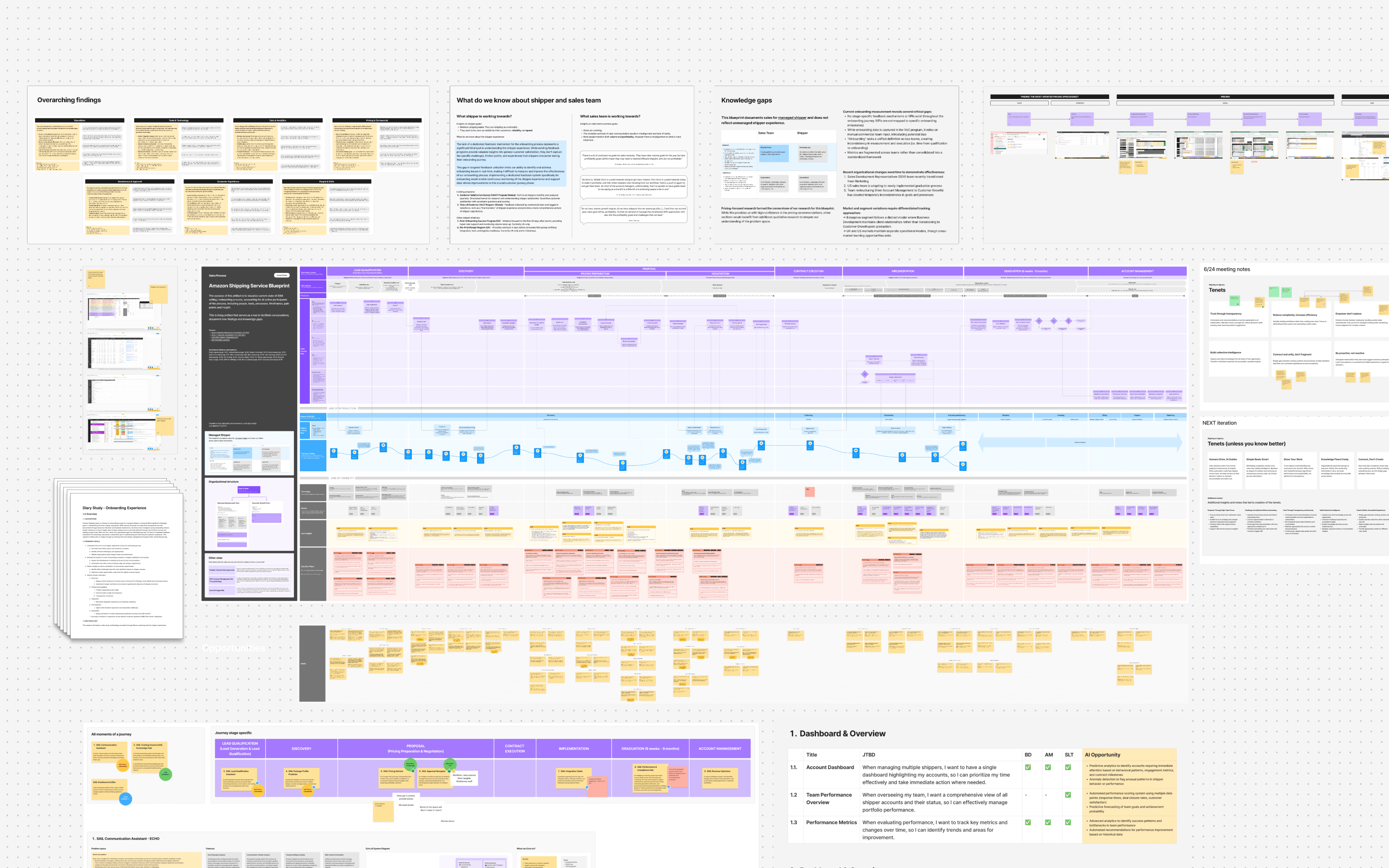
I mapped a highly complex internal sales process that had eluded clear articulation. Through research with business development teams across multiple touchpoints and working sessions with SMEs, I created a clear picture of the end-to-end workflow - revealing that proposals required 3-6 hours to create across disconnected tools, with approval timelines stretching from 2-3 days to 3+ weeks.
This clarity revealed where AI could eliminate manual work - automating data entry, streamlining approvals, and surfacing recommendations at decision points. Early validation with sales teams confirmed the approach, with the platform design consolidating disconnected tools into a unified workflow that reduces proposal creation from 3-6 hours to under 20 minutes.
We explored diverse AI patterns - from intelligent form-filling to contextual recommendations - that solve specific workflow needs rather than adding another chat interface.
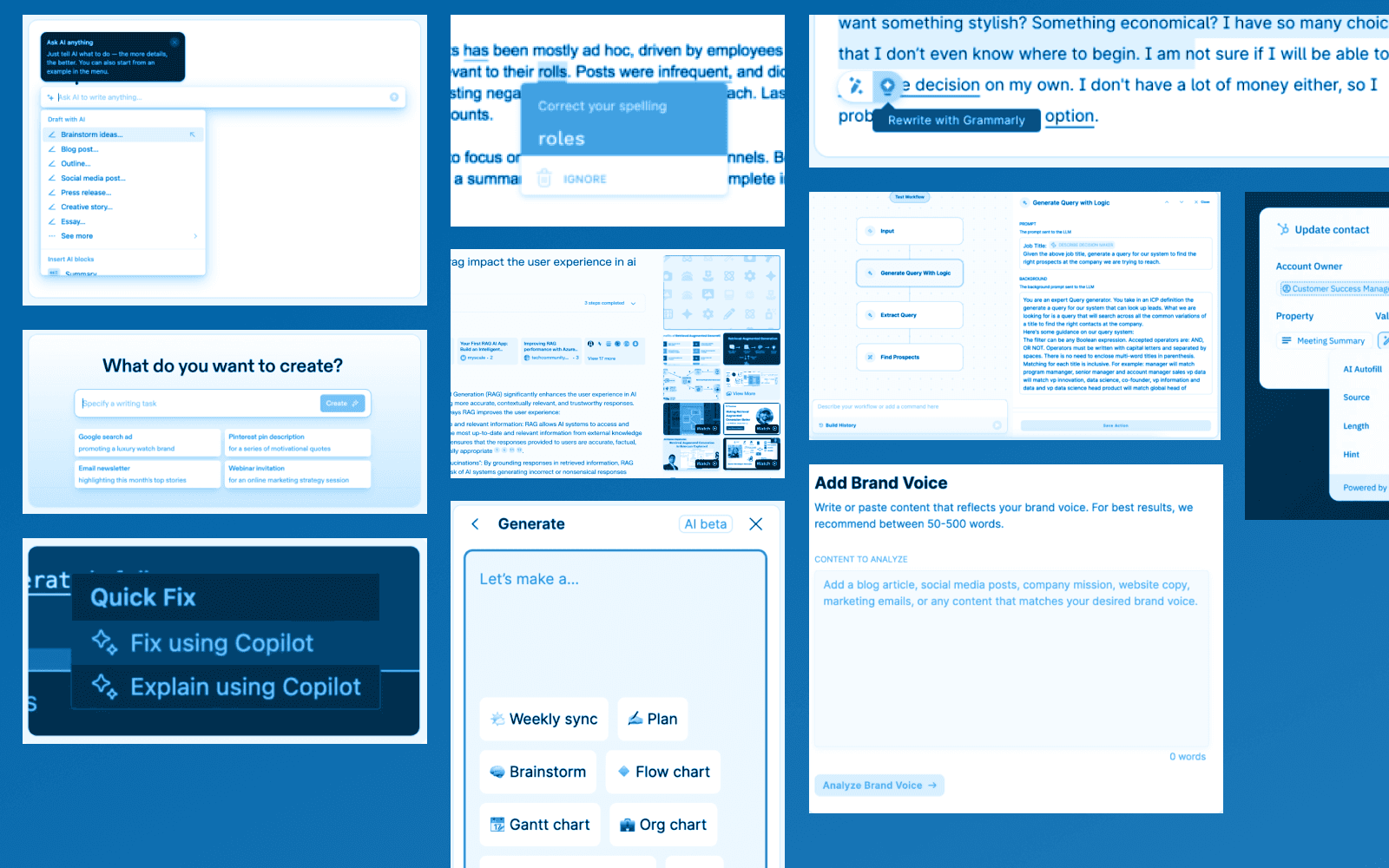
Phased introduction and progressive capability
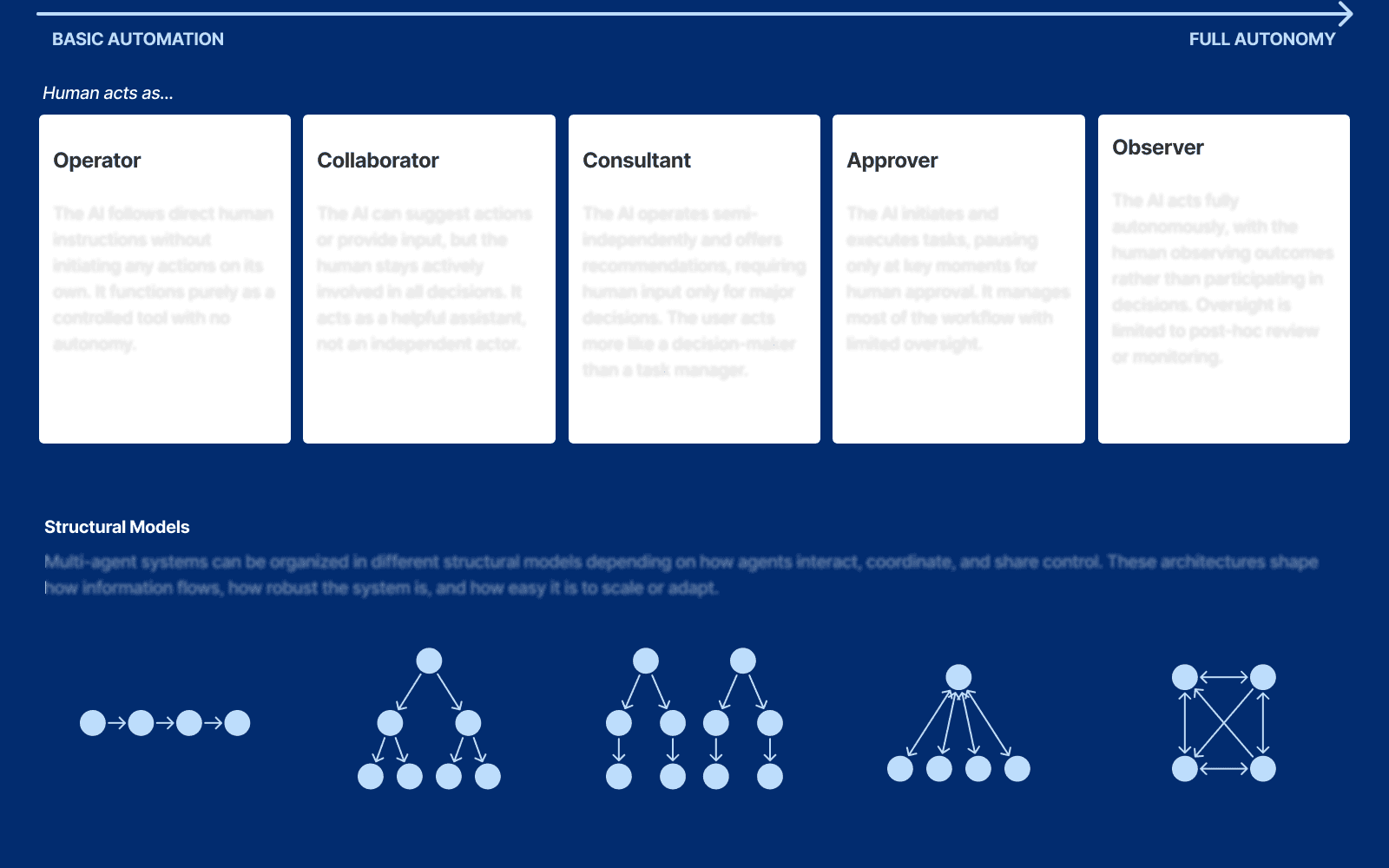
The platform operates across three modes - from collaborative suggestions to automated execution - adapting to risk levels and user preferences while maintaining full visibility into pricing logic.
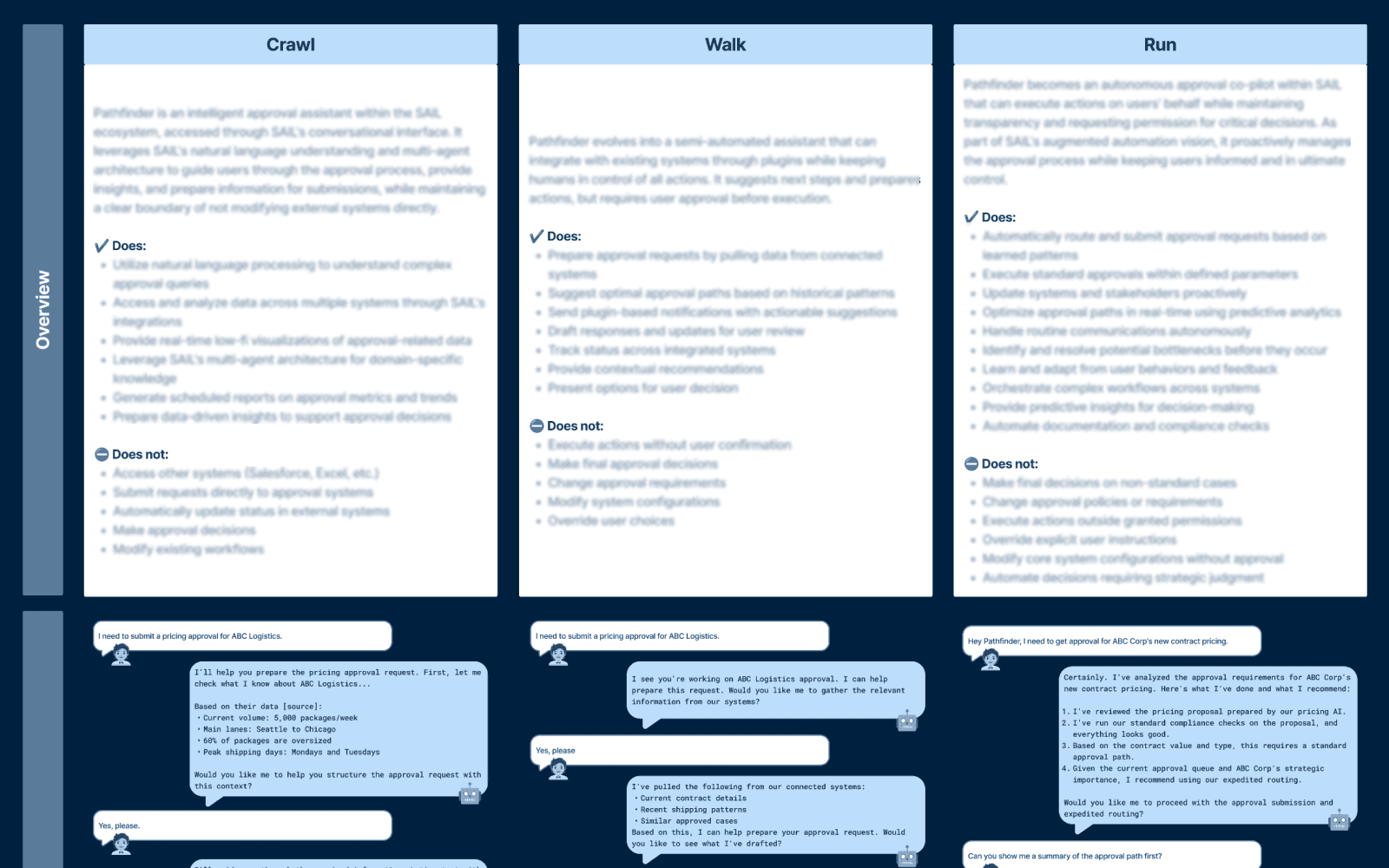
Creating shared language for AI collaboration
I introduced frameworks defining types of agency and levels of autonomy, facilitating clearer conversations about what AI should and shouldn't do in the pricing process.